
Counting calories can feel like a part-time job — weighing food, logging every bite, doing math before you eat. The good news: you don’t need any of that to eat well. A balanced diet plate uses a simple visual method instead of numbers, and it works just as well for steady energy and long-term health.
Quick answer: Fill half your plate with vegetables and fruit, a quarter with lean protein, and a quarter with whole grains or starchy carbs, plus a small amount of healthy fat. No scale or app required — just your eyes and a normal-sized plate.
Why Skip Calorie Counting?
Calorie counting can work, but it’s time-consuming and doesn’t account for food quality — 100 calories of vegetables and 100 calories of candy affect your body very differently. The plate method focuses on food groups and portions instead, which is easier to sustain long-term and naturally leads to more nutrient-dense meals.
The Balanced Plate Method, Step by Step
1. Half Your Plate: Vegetables and Fruit
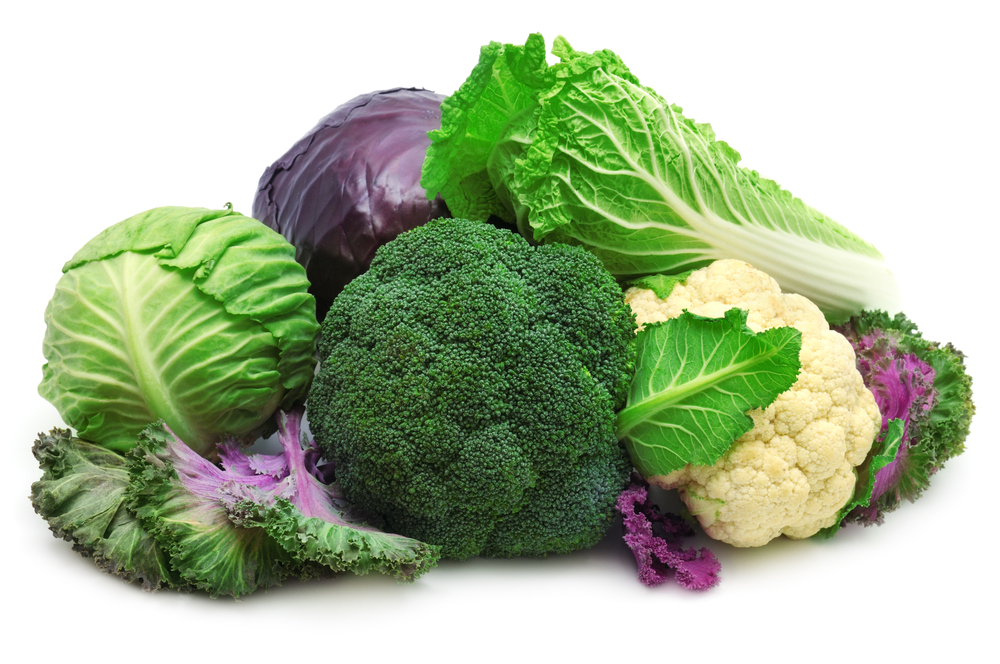
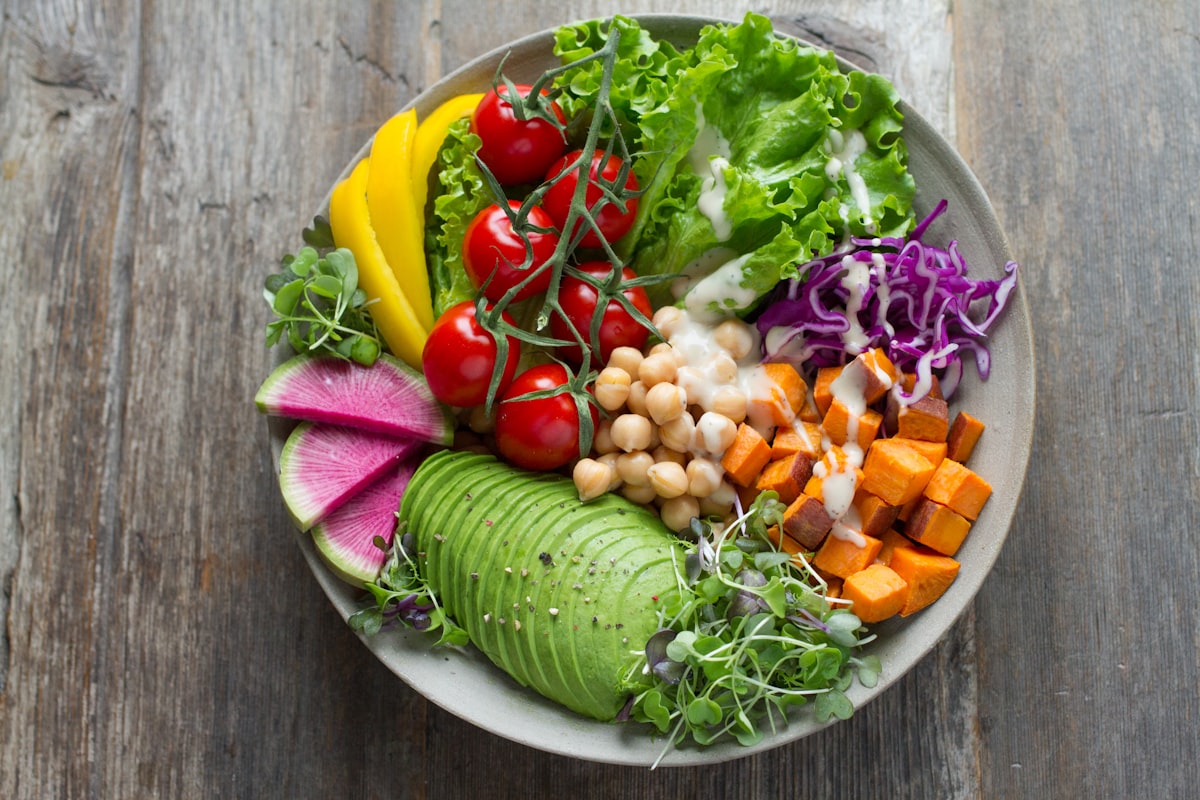
Fill the largest section with non-starchy vegetables (leafy greens, broccoli, peppers, tomatoes) and some fruit. These are high in fiber and nutrients but low in calories, so they fill you up without weighing down the plate.
2. A Quarter: Lean Protein
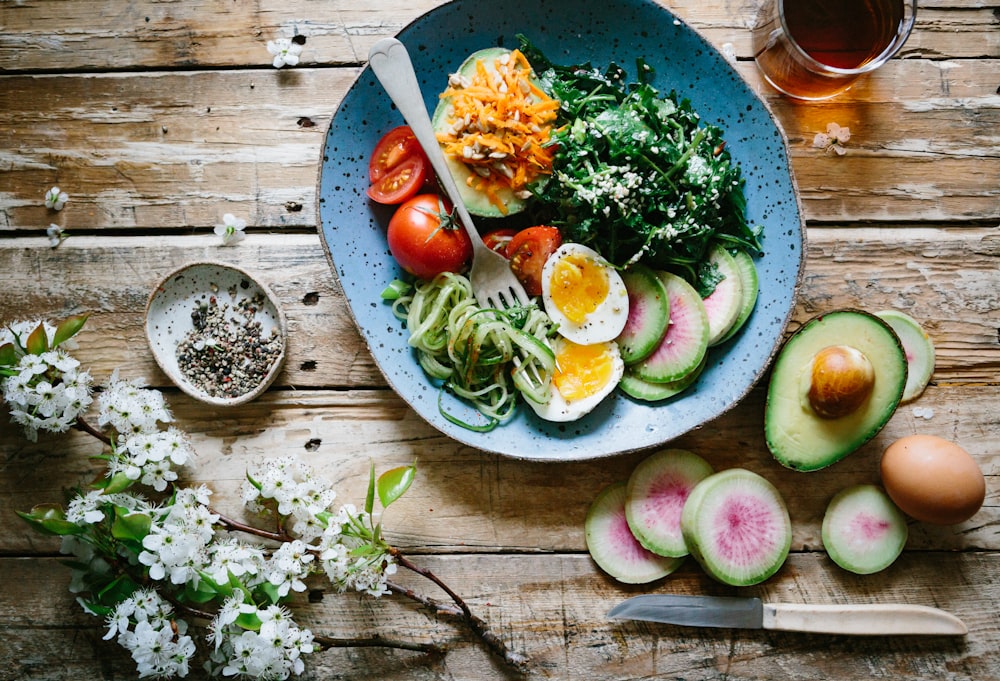
Chicken, fish, eggs, tofu, beans, or lentils. Protein keeps you full longer and helps maintain muscle — aim for a portion roughly the size of your palm.
3. A Quarter: Whole Grains or Starchy Carbs
Brown rice, quinoa, whole wheat pasta, sweet potato, or oats. These provide steady energy — choose whole grain versions over refined ones when you can.
4. A Small Amount of Healthy Fat
A drizzle of olive oil, a few slices of avocado, or a small handful of nuts. Fat isn’t the enemy — it helps absorb nutrients and adds satisfaction to the meal.
Why This Works Better Than Counting
- No math required — you can build a balanced plate anywhere, including restaurants, without a food scale or app
- Naturally controls portions — filling half the plate with vegetables leaves less room for less filling, more calorie-dense foods
- Focuses on food quality, not just quantity — which matters more for long-term health than calories alone
- Easier to sustain — a visual habit is simpler to keep up for years compared to daily logging
Common Mistakes to Avoid
Skipping Protein
A plate of just vegetables and carbs leaves you hungry again within an hour. Always include a protein source.
Oversized Plates
The method assumes a standard 9–10 inch plate. A larger plate can quietly stretch every portion.
Treating It as All-or-Nothing
You don’t need every meal to be perfect. Aim for most meals, most days — consistency matters more than precision.
Frequently Asked Questions
Does the balanced plate method work for weight loss?
Yes — by naturally controlling portions and prioritizing filling, nutrient-dense foods, many people find it easier to lose weight with this method than with calorie counting alone.
What if I don’t eat meat?
The protein quarter works just as well with plant-based options like beans, lentils, tofu, tempeh, or edamame.
Can I use this method for breakfast too?
Yes, though breakfast plates often look a little different — think eggs (protein) with vegetables and a slice of whole grain toast (carbs).
Is snacking allowed with this method?
Absolutely. The plate method applies to full meals; snacks can follow the same principle on a smaller scale — pair protein or fat with produce when you can.
Do I need to measure portions exactly?
No — that’s the whole point. Eyeballing the quarters is accurate enough for almost everyone, which is what makes this method sustainable.
The Bottom Line
A balanced diet plate strips out the math and replaces it with a simple visual habit: half vegetables and fruit, a quarter protein, a quarter whole grains, plus a little healthy fat. It’s flexible enough to use anywhere and sustainable enough to stick with for the long run.